
Waterstruck bricks are made by pressing soft clay into individual water-moistened moulds. The water acts as a releasing agent, helping the clay release cleanly while creating the distinctive smooth, hand-finished surface associated with waterstruck manufacture.
In simple terms, the process involves preparing soft clay, moistening the mould, pressing the clay into shape, drying the bricks slowly, and firing them in a kiln to achieve strength and durability.
At UK Brick, we specialise in supplying exceptional Randers Tegl bricks across the UK. These waterstruck bricks represent the pinnacle of brick manufacturing, where traditional methods meet modern quality control to create products that are architecturally striking and technically superior.

The waterstruck process can be summarised in five main stages:
The journey from clay to finished brick begins with careful selection of raw materials. The type of clay used fundamentally affects the character and performance of the final product. Quality clay contains the right mineral composition to withstand the firing process while developing rich, unique colours during heating. The clay is prepared with a relatively high water content compared to other brick-making methods, creating what's known as soft mud, a consistency that's crucial to the waterstruck technique.
This soft mud is then pressed into individual moulds, one brick at a time. Here's where the waterstruck process gets its name and its distinctive character. Before the clay is introduced, each mould is moistened with water. When the soft mud clay is pressed into these wet moulds, the water acts as a releasing agent, preventing the clay from sticking. But the water does something else too - it creates a distinctive textural quality on the face of the bricks that cannot be achieved through any other manufacturing process.
As the clay settles into the mould, the water interacts with its surface, creating subtle variations and a characteristic soft texture. The way the clay is handled, the amount of water used, and even the ambient conditions all contribute to the final appearance of each brick.
Once formed, the bricks enter the drying phase. This step requires patience and careful control. Rush the drying and the bricks may crack or warp. The high water content means drying takes longer than with other brick types, but this gradual process contributes to the final quality and consistency of the batch.
After drying comes the firing process where the bricks are loaded into a kiln and gradually heated to high temperatures - typically between 1000-1200 degrees Celsius depending on the clay type and desired characteristics. The firing process is carefully controlled, with temperature ramped up slowly to avoid thermal shock, held at peak temperature to ensure complete firing, then cooled gradually.
The heat drives off any remaining moisture and causes chemical changes in the clay that give the brick its final strength and durability. Minerals in the clay react at these high temperatures, developing the colour that will define the brick's appearance. Natural variations in clay composition, kiln position, and firing conditions mean that individual bricks within the same batch develop slightly different tones - creating the subtle colour variation that makes waterstruck facades so visually rich.

While the waterstruck process is traditional, innovation continues in brick manufacturing. One of the most significant developments in recent years has been the rise of long format bricks - individual units that are significantly longer than standard brick dimensions. These elongated bricks create striking horizontal lines in facades and allow for contemporary architectural expressions while maintaining all the benefits of traditional brick construction.
UK Brick has been at the forefront of supplying long format waterstruck bricks throughout the UK. These distinctive products combine the textural beauty of the waterstruck moulding process with modern proportions that allow for bold architectural statements. The longer brick shape creates clean, contemporary lines while the waterstruck surface provides depth and character that prevents the facade from appearing flat or monotonous.
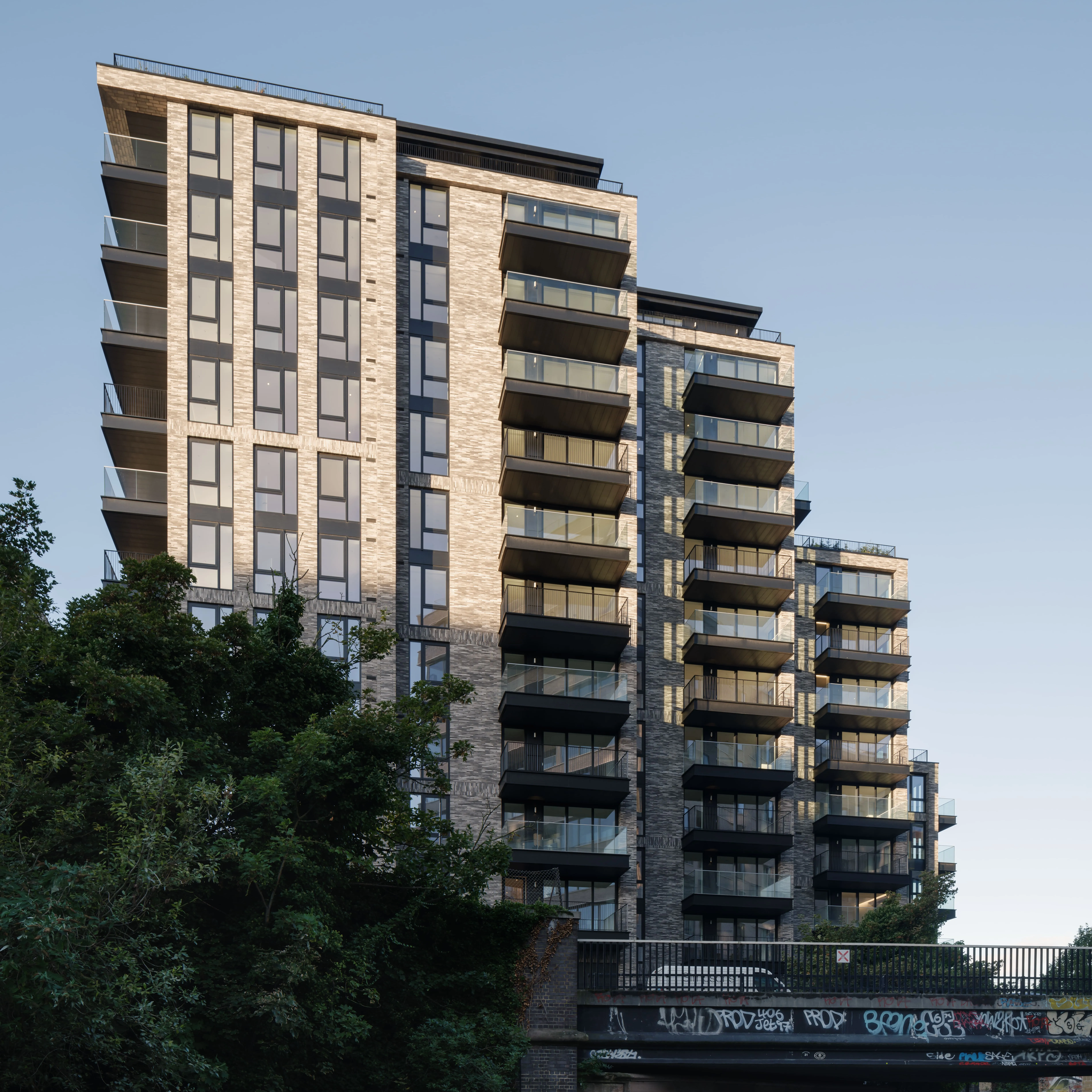
A great example of this is The Compton in London. These striking flats were designed and developed by Regal Homes and Kelly Hoppen and stand next to Lord’s Cricket Ground. We are proud to have supplied this wonderful architectural project with unique, bespoke curved linear bricks.
At UK Brick, we're proud to be the exclusive UK supplier for Randers Tegl, one of Northern Europe's leading brick producers. This partnership brings together more than 100 years of brick-making expertise with our commitment to serving the UK market with exceptional products and service.
Randers Tegl remains a family business, now presided over by the Piper younger generation. Their brick factories in Germany and Denmark represent some of the most advanced facilities in Europe, combining traditional craftsmanship with modern quality control and environmental responsibility. They produce the widest range of brick products on the market.
What sets Randers Tegl apart is their commitment to quality at every stage of manufacturing. From the selection of clay through the firing process to final packaging, every step is carefully controlled to ensure consistency within each batch while preserving the character that makes handmade bricks special.
For UK architects and specifiers, our partnership with Randers Tegl means access to exceptional products that simply aren't available elsewhere in the UK. We maintain stock of their most popular ranges, including their stunning waterstruck collections, which means you can specify these premium facing bricks without the long lead times often associated with specialist products.
Whether you're specifying traditional red facing bricks, contemporary grey tones, distinctive rustication effects, or innovative long format options, the combination of Randers Tegl's manufacturing excellence and UK Brick's local knowledge and stock availability means your project benefits from the best of European brick-making tradition.
The waterstruck process represents something increasingly rare in modern construction - a manufacturing approach that values character as much as consistency, that sees controlled variation as a feature rather than a flaw. In an age of mass production and perfect uniformity, waterstruck bricks offer something far more interesting and unique.
For your projects, this translates to facades with depth and interest that will continue to perform and please for decades. The way light moves across a waterstruck brick wall throughout the day, the textural richness when viewed up close, the sense of quality and permanence - these qualities often become defining characteristics of successful architectural designs.
At UK Brick, we work closely with architects and specifiers to ensure the bricks we supply meet both the performance requirements and design vision of each project. Understanding the manufacturing process helps explain why waterstruck bricks look the way they do, why they perform the way they do, and why they remain a preferred choice for design-conscious projects throughout the UK.
If you're working on a project and would like to discuss how waterstruck bricks might work for your specification, we'd be happy to help. We can provide samples for review and full technical data for specification purposes.
Contact Us:
Phone: 07985 295 996 / 0121 663 1940
Email: info@uk-brick.com
Our online contact form
Waterstruck bricks are made using individual moulds moistened with water, which creates a distinctive soft texture on the face of each brick. This traditional manufacturing process produces bricks with more character and controlled variation than standard extruded bricks. The high water content in the soft mud clay and the interaction between water and clay during moulding creates unique surface textures.
During firing at high temperatures (typically 1000-1200°C), minerals in the clay undergo chemical reactions that determine the final colour. Natural variations in clay composition, kiln position, and firing conditions create subtle colour variation between individual bricks within the same batch. This is carefully controlled to ensure variation remains within acceptable limits while creating the visual richness that makes waterstruck facades distinctive.
Yes, we maintain stock of popular waterstruck brick ranges from Randers Tegl, which is unusual for premium facing bricks. This means you can specify high-quality European waterstruck bricks without the extended lead times typically associated with specialist products.