
In simple terms, waterstruck bricks offer the look of older hand-made brickwork with the consistency, technical assurance, and availability of a modern manufactured product.
New waterstruck bricks can closely replicate a heritage aesthetic because the manufacturing process - pressing clay into water-moistened moulds - produces the same subtle surface variation and tonal irregularity found in hand-made historical bricks.
While reclaimed bricks still have their place, waterstruck bricks offer a more consistent and practical way to achieve traditional character in conservation settings, period-style new builds, and sensitive extensions.
The key to successfully replicating heritage character with new bricks lies in understanding what gives historic brickwork its distinctive appeal. It's about texture, colour variation, the play of light across an irregular surface, and the sense of craftsmanship. Modern waterstruck manufacturing techniques can replicate these qualities while delivering building materials that meet modern standards for durability, consistency, efficiency, and performance.
For architects and specifiers working on heritage restoration projects, sensitive extensions to period properties, or conservation work, the challenge is finding the right brick that respects architectural integrity while meeting contemporary requirements. The broadest selection of natural colours and textures in waterstruck bricks makes this balance achievable, allowing projects to satisfy both local planning authorities and authentic charm.

Historic brickwork gets its character from three things: surface irregularity from hand-moulded clay, tonal variation from variable kiln temperatures, and the slightly soft arris that comes from the moulding process. Modern waterstruck manufacturing replicates all three, creating new bricks that sit more naturally within heritage settings than smoother, more uniform alternatives.
Historic brickwork derives its character from the manufacturing methods of previous centuries. Traditional bricks were hand-moulded, fired in coal-fired kilns with variable temperatures, and made from locally sourced clay. These factors combined to create bricks with a unique texture and natural colour variation within each batch.
The face of heritage bricks typically shows irregularities - subtle undulations, variations in tone, and a softness from the hand-moulding process. These aren't flaws but features that create visual interest. The range of colours within a single wall might span several shades, reflecting the variable firing conditions in traditional kilns.
Modern waterstruck bricks recreate these characteristics through their manufacturing. The waterstruck process uses individual moulds and water as a releasing agent, creating surface textures remarkably similar to hand-made historical bricks. The firing process is controlled to encourage tonal variation.
Achieving authentic colours is fundamental to heritage-appropriate specifications. Historical brick colours were determined by local clay composition and firing methods, which is why regional variations exist across the UK. A London stock brick looks quite different from a red brick from the Midlands.
Our supplier, Randers Tegl, has developed extensive ranges that capture these regional variations. Their waterstruck collections include everything from deep reds and warm oranges to subtle buffs, creams, and greys. The key is that these aren't uniform colours - each brick contains tonal variation that mirrors the natural variation in historic brickwork.
Texture plays an equally important role in creating heritage character. The unique character of waterstruck bricks comes from the manufacturing process itself - the interaction between soft clay and water-dampened moulds creates a surface that looks and feels authentically aged. This texture catches light differently than smooth extruded bricks, creating the depth and shadow that gives heritage facades their appeal.
For conservation areas or projects adjacent to heritage buildings, we recommend ordering multiple brick samples and viewing them alongside the existing brickwork. Even when exact matching isn't the goal, this comparison ensures the new work sits comfortably with its surroundings.
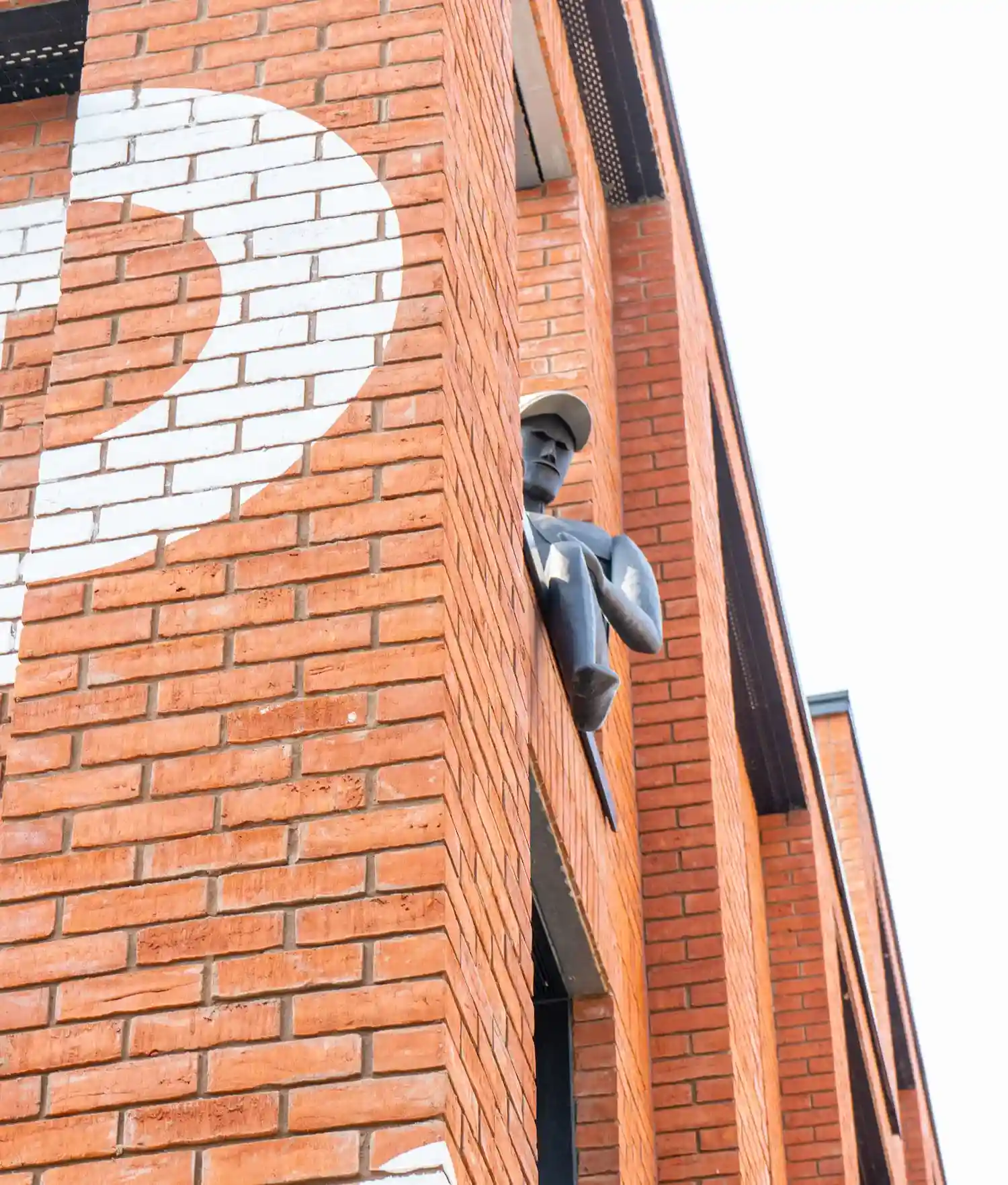
While standard brick dimensions often suit heritage projects, long format linear bricks offer an interesting option for contemporary interventions that respect heritage contexts. Linear bricks work particularly well for extensions to period properties where the goal is to complement rather than copy the original building. The horizontal emphasis of long-format bricks provides visual differentiation, while the material choice and texture maintain a connection to the heritage aesthetic.
The waterstruck linear bricks we supply demonstrate that innovative formats need not compromise traditional character. The manufacturing process creates the same textural qualities found in standard-format heritage bricks, but the elongated proportions offer design flexibility.
For projects seeking a more traditional appearance, we often recommend waterstruck bricks with natural tonal variation, softer edges, and a more hand-finished surface texture. Some of the most suitable options for achieving a heritage-style look include:
These options can help architects and specifiers achieve a more authentic heritage appearance while retaining the consistency and technical assurance of a new brick product.
At UK Brick, we work exclusively with Randers Tegl, one of Europe's leading brick manufacturers with over 100 years of experience in craft brick production. This partnership gives us access to exceptional products that combine traditional manufacturing methods with modern quality control - the perfect bricks for heritage-appropriate specifications.
The Randers Tegl heritage-style ranges include numerous options for achieving a heritage aesthetic. Their waterstruck collections feature the irregular surfaces and colour variation that characterise historic brickwork.
What sets these products apart is the attention to detail in manufacturing. The colour blends are carefully developed to replicate authentic regional brick colours found across the UK. The texture genuinely replicates hand-made bricks rather than merely approximating them.
We maintain a stock of popular ranges, which is unusual for premium facing bricks and particularly valuable for projects with tight timelines. This means architects can specify the correct type of brick for heritage projects without the extended lead times often associated with specialist products.
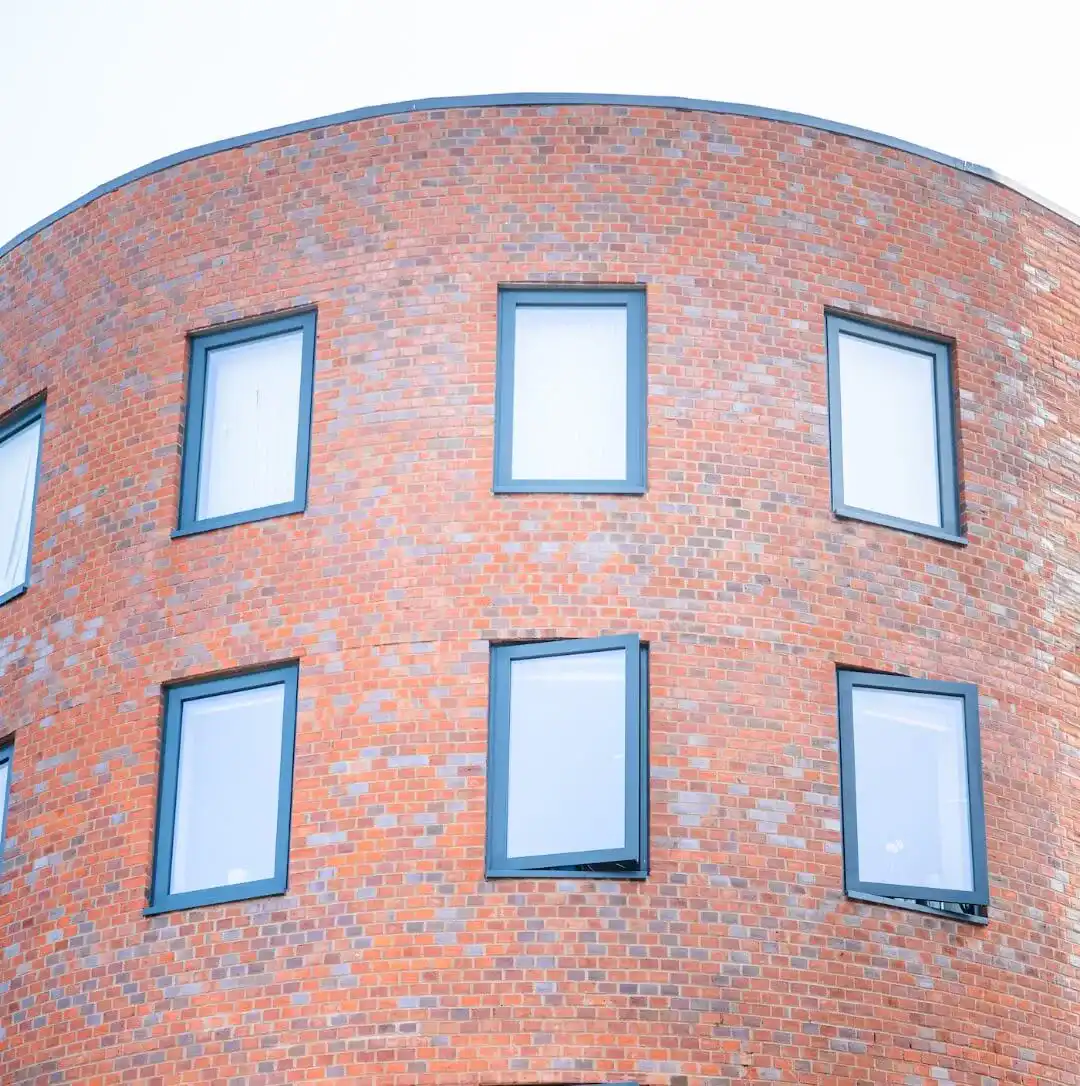
The assumption that heritage aesthetics require reclaimed materials limits both design possibilities and practical options. Modern waterstruck bricks offer results that satisfy planning requirements, client expectations, and your own design standards while meeting modern standards for performance and consistency.
At UK Brick, we're committed to supporting architects and specifiers working on projects where heritage aesthetic matters. Our partnership with Randers Tegl gives us access to some of Europe's finest heritage-style bricks, and our stock holding means these materials are available when you need them.
If you're working on a project where achieving authentic heritage character is important, we'd be pleased to discuss options and provide samples.
You can:
Yes, modern waterstruck manufacturing creates surface textures and colour variations that closely replicate handmade bricks. While they're technically new, the manufacturing process produces the kind of irregular surfaces and tonal variation characteristic of heritage brickwork.
In most cases, yes. Planning authorities typically focus on achieving appropriate aesthetic appeal rather than requiring reclaimed materials specifically.
Standard format bricks work well when closely matching existing historic brickwork. Linear bricks suit projects where you want to complement heritage buildings while providing a subtle visual distinction between old and new.