
Architects face difficult material decisions throughout the design process, but few carry as much visual and practical weight as the choice of brickwork. Two options typically emerge: reclaimed brick salvaged from demolished structures, or waterstruck bricks manufactured using traditional methods that achieve a naturally weathered appearance.
Beneath the surface similarities of these two options lie significant differences in performance, reliability, and long-term outcomes. For architects balancing aesthetic vision with professional responsibility, understanding these differences is essential.
The appeal of reclaimed materials is undeniable. There's something romantic about giving old bricks a second life, about incorporating fragments of history into new structures. Clients often request reclaimed brick, drawn to the idea of sustainability through reuse and the aesthetics they feel only decades of weathering can create.
Waterstruck bricks offer the aesthetic appeal of aged brick combined with the performance of new materials. Through careful manufacturing process refinement, modern waterstruck production achieves the natural character and unique texture associated with reclaimed materials, but with none of the technical uncertainties.
For architects, this choice involves more than aesthetics. It touches on structural integrity, project timelines, budget predictability, and long-term building performance. The decision carries professional liability implications and affects whether the completed project will stand the test of time as intended. Understanding the real-world implications of each option helps architects make informed recommendations.
Reclaimed bricks carry risks that aren't always apparent at the specification stage. While the appeal of authenticity is strong, several practical challenges emerge during procurement and construction that can compromise projects.
Supply consistency represents the first major hurdle. Unlike new bricks manufactured to order in specific quantities, reclaimed brick availability is always guaranteed. A project might require10,000 bricks of a particular type, colour, and condition, but sourcing that quantity often means cobbling together materials from multiple demolition sites. This creates variation even within a single order, making it difficult to achieve the consistent appearance many projects require.
Structural performance poses even greater concerns. Reclaimed bricks come with unknown histories. They may have been fired at different temperatures using various clays and methods, resulting indifferent strengths and durability characteristics. Without documentation of the original manufacturing process or quality testing, architects cannot confidently specify load-bearing applications.
The condition of reclaimed materials varies dramatically. Some bricks may have suffered damage during demolition or storage. Others might show deterioration from decades of exposure, especially if salvaged from buildings that weren't well-maintained. While some architects embrace these imperfections as authentic character, the reality is that damaged bricks can compromise weatherproofing and long-term facade performance.
Testing reclaimed bricks for strength and durability adds unexpected costs and delays. Even when testing occurs, results typically show high variation within batches, making specification difficult. Building control approval can become complicated when material properties cannot be confidently established.
Finally, despite assumptions about sustainability, the environmental credentials of reclaimed brick deserve scrutiny. Transportation from various demolition sites, cleaning, sorting, and additional testing all carry environmental costs. When factored against our bricks, which use renewable energy sources, the sustainability advantage becomes less clear than many assume.
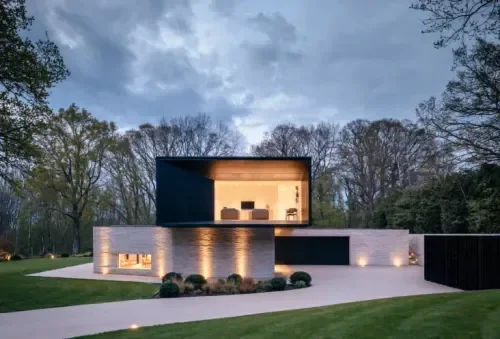
Waterstruck brick production offers architects the aesthetic qualities of aged brick without the technical uncertainties. This traditional manufacturing approach uses soft mud clay pressed into individual moulds moistened with water, creating the distinctive texture that gives waterstruck bricks their character.
The water interaction during moulding creates surface variations that mimic natural weathering. Each brick develops a unique character through this process, with subtle differences in texture and tone that provide visual interest across large facades. Yet unlike reclaimed materials, these variations occur within controlled parameters that ensure structural consistency.
Modern waterstruck production maintains the handcrafted qualities of historical brick-making while meeting contemporary performance standards. The firing process is carefully controlled to ensure durability, weather resistance, and predictable strength. This means architects can specify waterstruck bricks with confidence for any application.
Colour range in waterstruck production provides versatility that reclaimed materials cannot match. Different clay sources and controlled firing conditions produce everything from warm reds to soft greys and creams. Architects can specify precise tones to complement design intent while maintaining the textured, handmade quality that makes these different types of bricks special.
At UK Brick, we understand the architect's need for reliable materials that deliver both aesthetic quality and technical performance. As the UK's exclusive supplier of Randers Tegl products, we provide access to some of Europe's finest waterstruck bricks, backed by over 100 years of manufacturing expertise.
Randers Tegl's family-owned facilities in Germany and Denmark represent the pinnacle of brick production. Their commitment to quality and continuous innovation means you're specifying materials that combine traditional craftsmanship with modern performance standards. Every batch undergoes rigorous testing to ensure consistency and durability.
We maintain a substantial stock of core ranges, which is unusual for premium waterstruck bricks. This means your projects can proceed on schedule without the uncertainty of extended lead times or supply gaps. When you specify UK Brick products, you're not gambling on whether materials will arrive when needed.
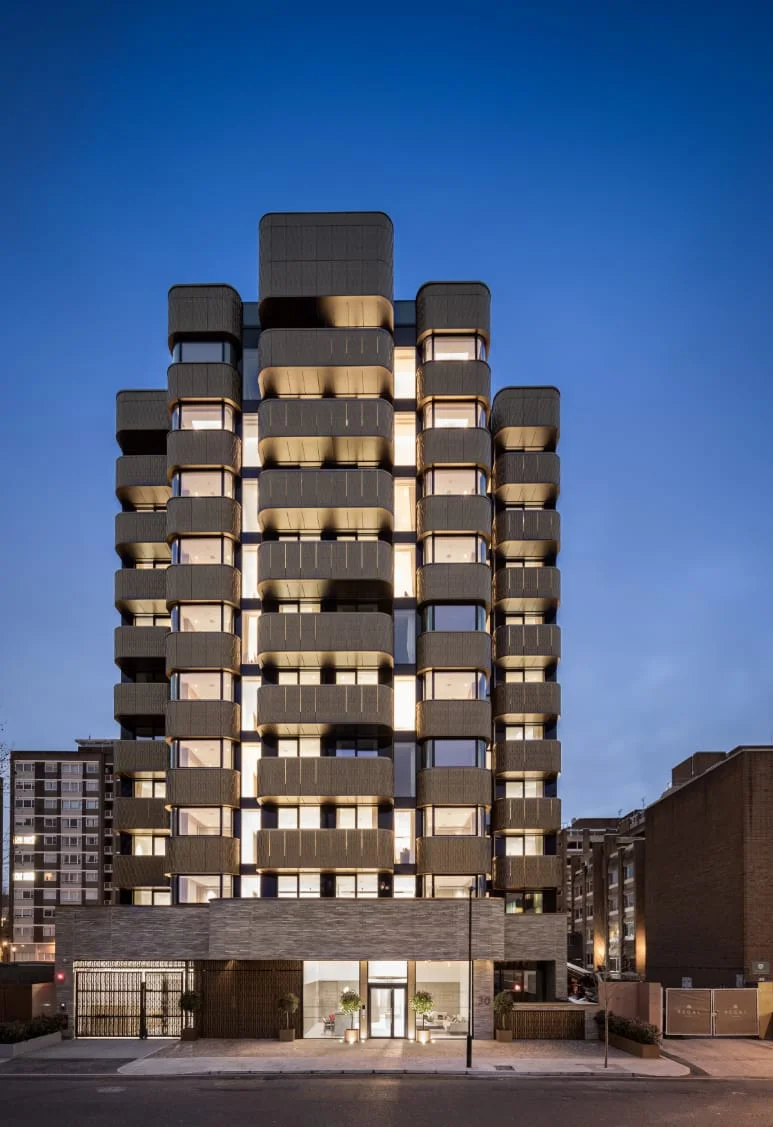
The decision between reclaimed and waterstruck brick ultimately comes down to priorities. If absolute historical authenticity matters above all other considerations, and the project can accommodate supply uncertainties and performance limitations, reclaimed materials may suit. For most projects, however, waterstruck bricks provide a superior solution that delivers the desired aesthetic while meeting the technical and practical requirements that successful building demands.
Waterstruck bricks don't require you to choose between character and reliability. They offer both. The natural appearance, rich texture, and authentic feel satisfy design ambitions while the guaranteed performance and consistent supply support successful project delivery.
For more information, to arrange a sample, or to view our gallery, you can:
Call us on 07985 295 996
Email us at info@uk-brick.com
Yes. The waterstruck manufacturing process creates natural texture and colour variation that closely replicates the appearance of weathered brick. Many architects find waterstruck bricks provide the character they're seeking with far greater consistency across the facade.
UK Brick maintains a stock of popular waterstruck ranges from Randers Tegl, meaning delivery can often be arranged quickly. Reclaimed brick sourcing depends entirely on demolition availability and can take months with no guaranteed outcome.
This depends on specific conservation requirements and local authority guidance. For projects requiring authentic historical materials, reclaimed brick may be necessary. However, for new buildings in conservation areas or extensions to historic structures, high-quality waterstruck bricks often provide an appropriate solution.