
Prefabricated brick beams and lintels are factory-manufactured structural elements that span openings while presenting a continuous brick face on the visible side. They allow architects to design large openings — windows, doors, glazed areas — without visible steel or concrete interrupting the façade. UK Brick supplies systems spanning up to 12 metres.
Contemporary architecture demands bold statements. Whether it's a statement apartment with floor-to-ceiling glazing, an industrial office that pushes design boundaries, or a residential renovation that reimagines interior space, architects and builders face a persistent challenge: how do you create dramatic, large brick openings without compromising structural integrity? This is where prefabricated brick beams and lintels become essential design partners.
Traditional masonry solutions often force designers into uncomfortable compromises. Standard lintels limit opening spans. Hand-built solutions extend timelines. Material inconsistencies threaten the authentic aesthetic vision. But prefabricated brick beam systems solve this tension entirely. They combine engineering precision with architectural possibility, allowing you to span large openings while maintaining the distinctive brick character that defines your project.
This comprehensive guide explores how prefabricated brick beams work, what specifications matter most, and how to integrate them into your architectural vision. If you are comparing brick beams and lintels in more detail, read our guide on how to choose the right solution for your project. Whether you're specifying for a residential extension, commercial development, or bespoke renovation, understanding these systems ensures you design openings that are both structurally sound and architecturally striking.
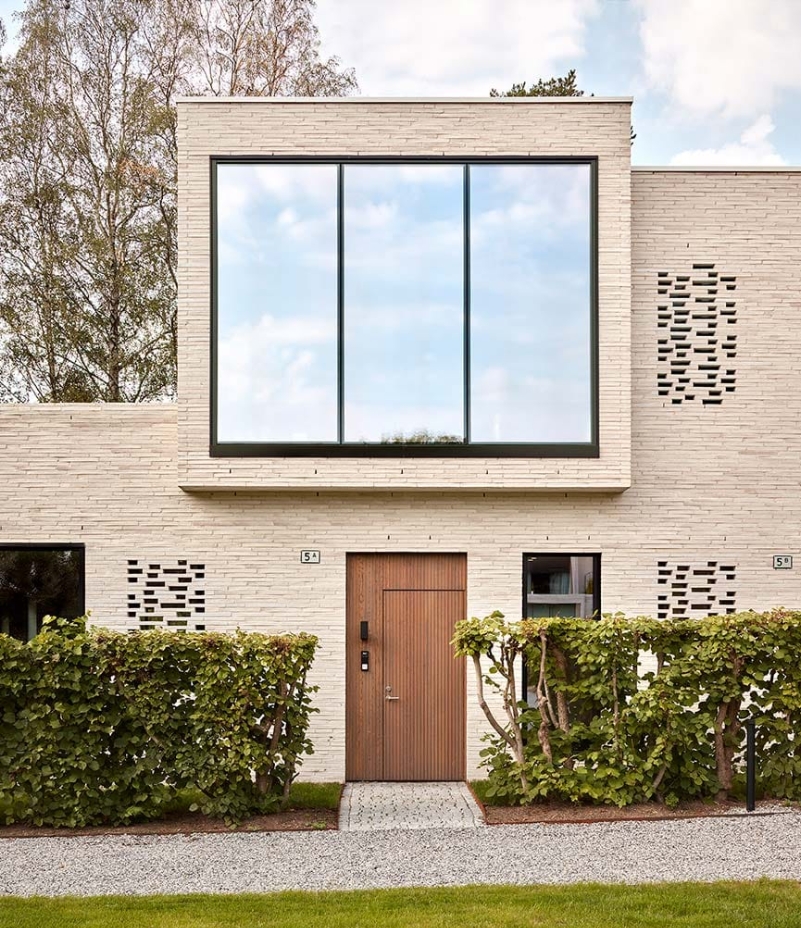
What constitutes a large brick opening? In masonry c
What constitutes a large brick opening? In masonry construction, openings exceeding 1.5 metres typically demand specialist structural solutions. These openings present three interconnected challenges:
Load Distribution Complexity. In traditional solid masonry, loads transfer vertically through the brick and mortar matrix. When you remove that material to create an opening, the remaining brickwork must redirect considerable loads around the opening edges. The wider the opening, the greater the triangulated load zone above it, and the more structural capacity you need beneath.
Spanning Capability Limits. Standard concrete lintels have clear span limitations. Traditional hand-laid brick arches, whilst architecturally distinctive, require exceptional craftsmanship and extend construction programmes considerably.
Aesthetic Integrity. Here lies the critical difference between merely functional and genuinely designed openings. When you're specifying for a contemporary brick project—particularly one using distinctive materials like UK Brick's waterstruck bricks, with their soft textures and authentic patina—the lintel or beam becomes a visible architectural element. It cannot be a utilitarian afterthought. It must integrate seamlessly with the brick aesthetic you've carefully specified. The surface structure of each brick tells a tale of authenticity. This narrative must continue uninterrupted across your opening.
Modern Masonry Solutions. Prefabricated brick beam systems excel precisely where traditional approaches struggle. By combining structural steel or reinforced masonry with a facing of matching brickwork, these systems achieve spanning capability, structural reliability, and aesthetic coherence simultaneously.
Prefabricated brick beam systems come in several distinct types, each suited to different design scenarios, load requirements, and aesthetic objectives.
The most versatile solution for large openings, brick-faced steel lintels feature a structural steel beam clad with a layer of matching brickwork. The structural work is accomplished by steel; the brick provides aesthetic integration and weather protection.
Why this matters for architects: You achieve the spanning capability of steel engineering combined with visual continuity of masonry. When specifying waterstruck bricks, a brick-faced steel lintel means the architectural language—the soft texture, the hand-finished quality, the unique patina—continues uninterrupted across the opening. No visual break. No material transition that feels expedient.
Key specifications:
A bespoke solution, reinforced brick beams use structural steel reinforcement embedded within a solid brick body. This creates a monolithic beam that is entirely brick in appearance—no visible steel, no material transitions.
Advantages: Absolute aesthetic integrity. The opening appears bridged by solid brickwork, despite hidden engineering. This is particularly valuable when architectural authenticity is paramount.
Design consideration: These require precise load calculations and consultation with the engineer or lintel manufacturer to ensure reinforcement is correctly configured for your opening.
A contemporary hybrid approach. A structural lintel is faced with brick slips—thin veneers of matching brick—rather than full-thickness brick. This maintains aesthetic consistency whilst leveraging manufacturing efficiency.
Ideal for: High-specification contemporary projects where visual precision is essential.
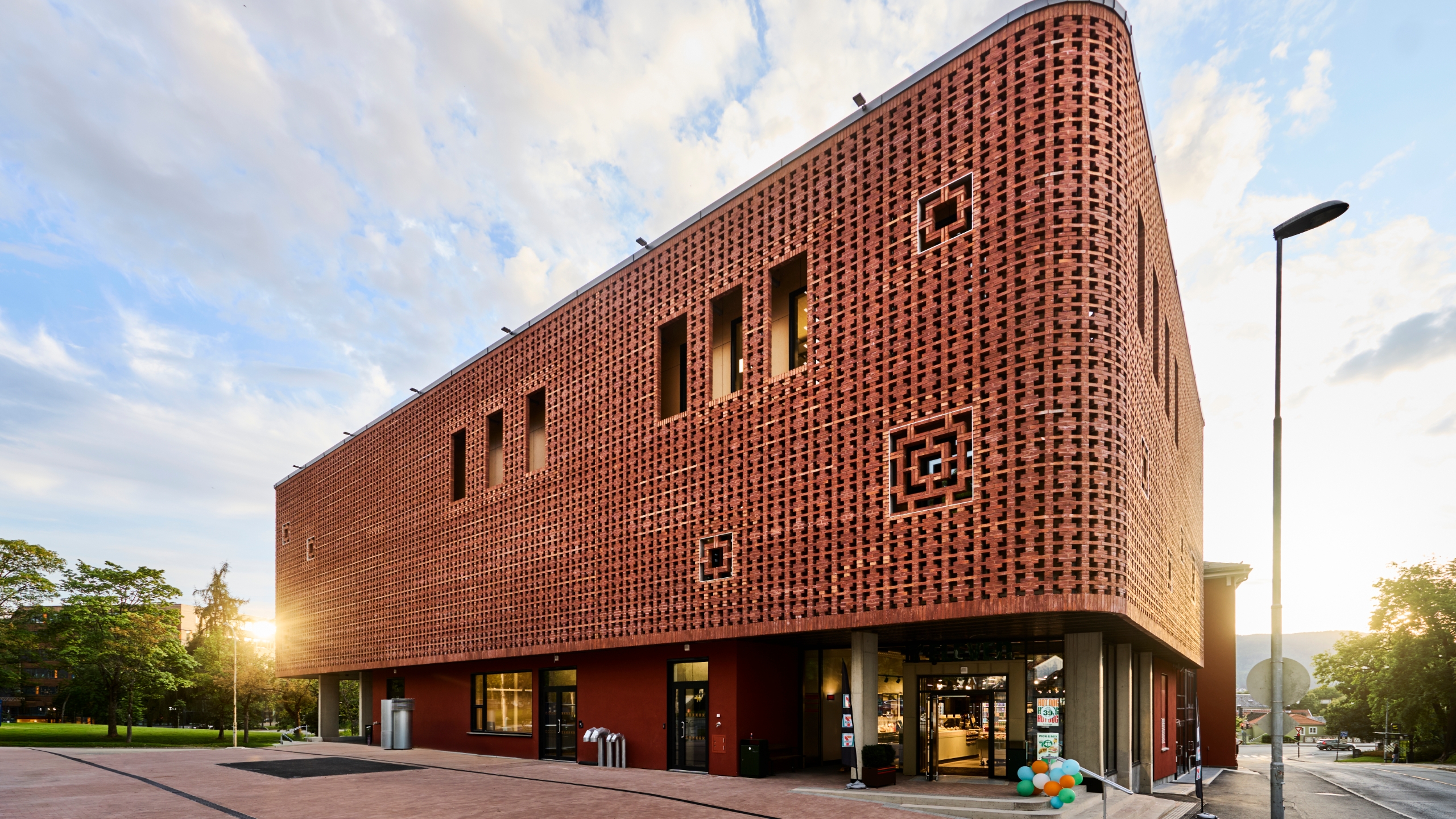
For large residential and commercial openings, brick-faced steel lintels are typically the best option, offering excellent aesthetic integration and the ability to span up to around 3 metres or more, with a typical lead time of about 4–6 weeks. Reinforced brick beams are better suited to bespoke designs where authenticity is the priority; they generally span up to approximately 2.5 metres, require a longer lead time of around 6–10 weeks, and provide a superior level of visual integration because they read as solid brickwork. Brick slip feature lintels work particularly well on contemporary specifications, spanning up to roughly 2 metres, with a lead time in the region of 3–4 weeks, and they deliver a very good level of aesthetic integration by combining a structural lintel with matching brick slips.
Creating a properly specified large opening requires attention to multiple technical parameters.
The fundamental question: what load must your lintel carry? This depends on opening width, wall height above the opening, floor positions, and roof loads. For most residential projects with openings up to 2 metres, structural engineers use the triangulation method—imagining a 45-degree triangle above the opening. Everything within that triangle's footprint loads the lintel.
Key specifications:
British Standard brick dimensions follow precise modular principles. A standard metric brick measures 225mm × 112.5mm × 75mm. For large openings, proper coordination ensures:
This technical coordination prevents irregular brick arrangements created by poor dimension planning.
Where the lintel meets the masonry, critical details prevent water ingress and ensure proper load transfer.
DPC (Damp Proof Course): A waterproof layer placed at bearing points prevents moisture transferring from masonry into the lintel. This is essential for durability.
Wall Ties: At large openings, additional wall ties (horizontal reinforcement) are often specified in the masonry adjacent to bearing points, controlling potential movement and cracks.
UK building specifications demand structural adequacy, compliance with technical guidance on structure, and certification from lintel manufacturers. Your lintel supplier should provide compliance documentation confirming load capacity and durability standards.
-(0-02-06-06).Png)
Proper installation determines whether your carefully specified system performs as intended.
Before lintels arrive on site, confirm:
Preparation: Clear bearing surfaces of loose mortar, dust, and debris. A poor bearing surface compromises load transfer.
Placement: Position lintels carefully, ensuring level installation. Even small misalignments create stress concentrations.
DPC Application: Apply DPC strip along the full bearing width. This is non-negotiable for durability.
Initial Support: Temporary props support the lintel until surrounding brickwork achieves strength. Props must remain in place for at least 7 days.
Mortar Bedding: Fill the bearing joint fully with mortar—avoid voids, which concentrate stresses.
Continued Brickwork: Once initial curing is complete, brickwork proceeds above the lintel. Wall ties are installed at proper spacing (typically every 450mm horizontally, every 225mm vertically).
Consider a residential renovation in a conservation area. The architects wanted to transform a traditionally built property into a contemporary home whilst respecting heritage context. The solution: three large timber-framed windows (2.4m wide × 2.1m high) opening to a new garden extension.
The challenge: Standard domestic lintels would require awkward stackwork creating visual disruption. Custom steelwork would clash with the carefully selected waterstruck bricks specified to complement the property's character.
The solution: Prefabricated brick-faced steel lintels, manufactured to order with matching waterstruck brick facing. The specification confirmed:
Outcome: Installation was straightforward and timely. No visible material transition. The brick pattern continues uninterrupted across the opening head. The finished result reads as intentional architecture. The opening aesthetic matches the carefully considered brick specification that defined the entire project.

For large openings in projects specified with distinctive brick—particularly waterstruck bricks with their hand-finished quality—prefabricated systems offer distinct advantages.
Consistency and Quality Assurance. Manufactured systems are made under controlled conditions. Material properties are tested and certified. Each unit meets strict dimensional tolerances, ensuring your specified bricks integrate seamlessly.
Aesthetic Integration. When your prefabricated lintel is faced with the exact brick you've specified—the same colour, same texture, same firing characteristics—the opening disappears into the wall. It becomes architecture, not a visible engineering solution. For waterstruck applications particularly, this aesthetic integrity is invaluable. The soft texture and hand-finished character can now extend uninterrupted across even dramatic openings.
Schedule Efficiency. A prefabricated lintel arrives on site ready to install. Hand-built alternatives require weeks of careful construction. For projects with tight timelines, prefabrication is genuinely transformative.
Design Flexibility. Because they're manufactured, prefabricated beams can be customised to match specific brick types and accommodate unusual spans—options that traditional solutions cannot provide. This is particularly useful on schemes using linear bricks, where clean proportions and long horizontal lines need to continue across openings.
Large brick openings represent one of contemporary architecture's most satisfying challenges. They demand that you reconcile engineering constraints with design ambition. They require that you think beyond simple functionality to create spaces that feel genuinely intentional.
Prefabricated brick beams and lintels make this reconciliation possible. They provide the spanning capability for bold architectural moves, the structural reliability for confident design, and the aesthetic integration that transforms engineered solutions into architecture.
Whether you're creating statement apartments with dramatic glazing, commercial developments that demand visual impact, or residential projects that reimagine space, the right prefabricated system becomes invisible in the finished work—a technical solution so well-integrated that it reads simply as intentional design.
The next time you're specifying for a large opening, consider how prefabrication might elevate your architectural vision. Request samples. Explore how distinctive bricks can be integrated seamlessly into these systems.
Your opening won't just function—it will speak.