
A brick beam is a load-bearing structural element that spans an opening - such as a window, door, or wider façade aperture - while maintaining a continuous brick face on the visible side. Unlike a standard exposed steel or concrete lintel, a brick beam combines structural support with the finished appearance of the brickwork, helping the opening read as uninterrupted masonry.
At UK Brick, we supply brick beam solutions for projects requiring both structural performance and architectural continuity, including pre-stressed systems capable of spanning up to 12 metres.
Brick beams have been utilised in construction for centuries due to their durability and strength. These beams consist of carefully arranged bricks, forming a horizontal load-bearing structure. By distributing the weight and forces acting on a building, brick beams help prevent structural failure, ensuring the safety and longevity of the edifice.
Brick beam systems can be designed in different ways depending on the opening, load requirements, and appearance of the façade. Common types include pre-stressed brick beams, composite brick beam systems, and wall beams used for larger or more integrated structural applications.
Pre-stressed brick beam
What it does: Provides structural support across openings while maintaining a brick-faced finish
Typical span: Up to 12m
When to use: Large openings where both span and appearance matter
Composite beam
What it does: Combines multiple structural components to support brickwork above openings
Typical span: Project-specific
When to use: Where loading, detailing, or façade conditions are more complex
Wall beam
What it does: Supports larger sections of masonry or façade loads across wide spans
Typical span: Project-specific
When to use: Major structural openings and more demanding façade conditions
The main difference is that a brick beam is designed to provide structural support while also presenting a continuous brick face, whereas a lintel is primarily a structural support component that is often concealed or visually secondary within the opening detail.
Brick beams are often chosen where architectural continuity is important and the façade needs to read as uninterrupted brickwork. Lintels remain appropriate in many standard opening details, but for more design-led applications, a brick beam can provide a more integrated result.
You can also explore our structural brick solutions page for more information on beam, lintel, and façade support systems.
Brick beams are sometimes referred to as masonry beams, particularly in structural engineering specifications and Eurocode 6 documentation. The terms are interchangeable in most UK contexts — both refer to a horizontal load-bearing element that combines structural performance with a brick-faced finish. UK Brick's beam systems are designed and manufactured in accordance with Eurocode 6 standards.
Brick beams work by carrying the load above an opening and transferring it safely to the supporting structure at each end. At the same time, they preserve the appearance of continuous brickwork across the face of the building, making them particularly useful where the structural solution also needs to support the façade design.
Constructing brick beams involves meticulous planning and skilled craftsmanship. Here's a step-by-step overview of the construction process:
Before constructing brick beams, a sturdy foundation must be laid. This typically involves excavating the ground, compacting it, and pouring a reinforced concrete footing to provide a stable base for the brickwork.
Choosing the right bricks is crucial for the strength and aesthetic appeal of the beams. High-quality clay bricks with suitable compressive strength are selected to ensure structural integrity.
Steel reinforcement bars, such as rebar, are embedded within the brickwork to enhance the beams' strength. These bars are strategically positioned to counteract tensile forces and provide additional support.
Bricks are arranged in a specific pattern or bond, such as English bond in our classic range, to enhance stability and distribute loads evenly. Mortar is applied between the bricks to bond them together securely.
After the brick beams are constructed, curing is essential to strengthen the mortar and bricks. This process involves maintaining proper moisture levels and protecting the beams from excessive drying. Finally, the beams can be finished with suitable coatings or decorative elements, enhancing their visual appeal.
Brick beams are sometimes referred to as masonry beams, particularly in structural engineering specifications and Eurocode 6 documentation. The terms are interchangeable in most UK contexts — both refer to a horizontal load-bearing element that combines structural performance with a brick-faced finish. UK Brick's beam systems are designed and manufactured in accordance with Eurocode 6 standards.
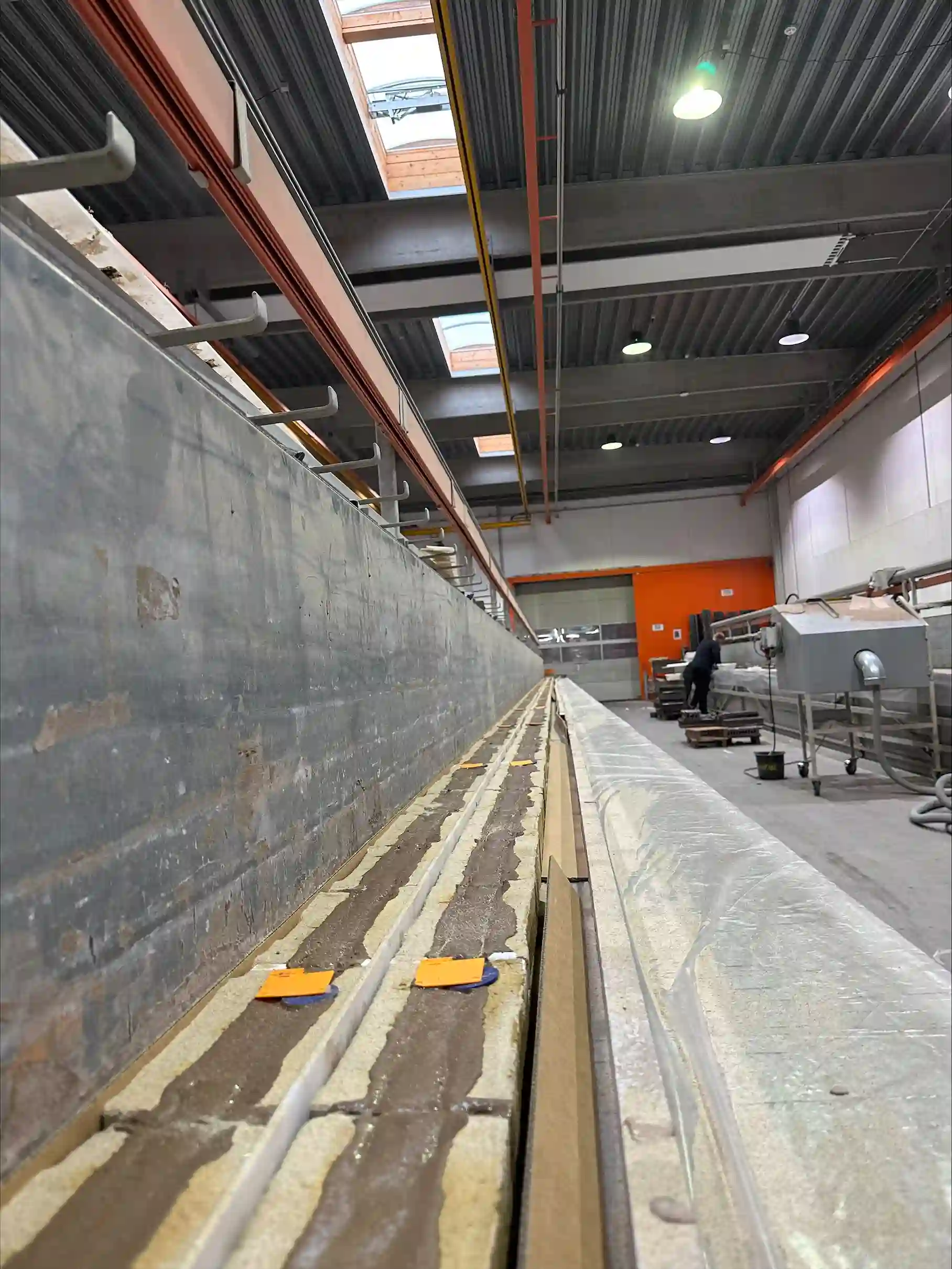
Brick beams offer several advantages that contribute to their popularity in construction projects. Let's explore some of these benefits:
Brick beams possess excellent load-bearing capabilities, making them ideal for supporting heavy loads and withstanding external forces. They are resistant to fire, moisture, and pests, ensuring long-lasting structural integrity.
Brickwork exhibits excellent thermal insulation properties, helping regulate indoor temperature and reducing energy consumption. Brick beams contribute to a comfortable and energy-efficient environment.
The timeless beauty of brickwork adds charm and character to any structure. Brick beams provide a visually appealing element, allowing architects and designers to incorporate them into various architectural styles.
Brick beams are environmentally friendly, as they are made from natural clay and do not emit harmful substances. Their long lifespan minimises the need for replacements, reducing construction waste.
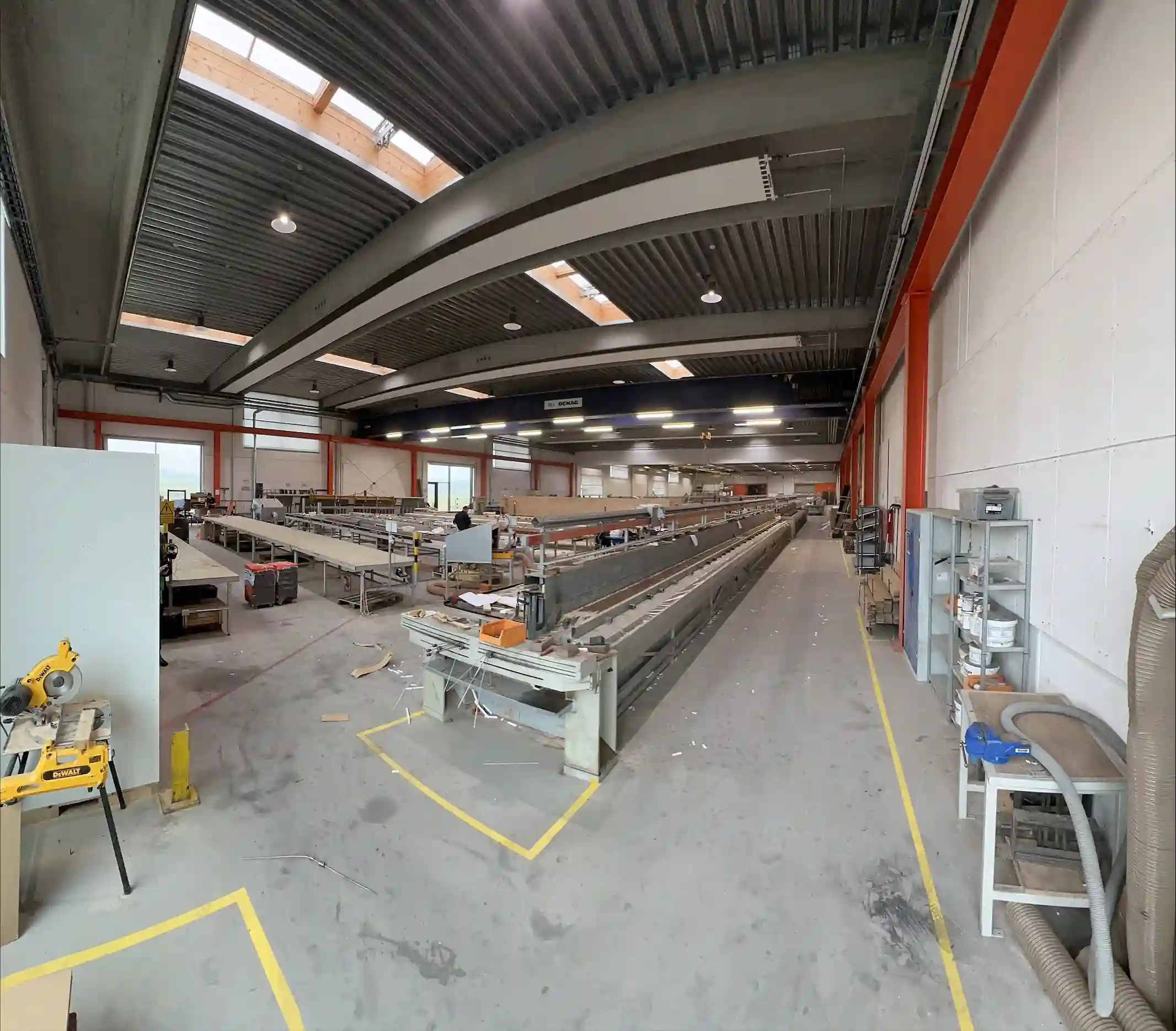
Brick beams find application in diverse construction projects, both residential and commercial. Some common applications include:
Brick beams are frequently used in residential construction, providing support to load-bearing walls, floors, and roofs. They contribute to the overall stability and safety of the structure.
When restoring historical buildings, maintaining authenticity is crucial. Brick beams offer an excellent solution, allowing restoration experts to preserve the original charm while reinforcing the structure.
From offices to hotels and shopping complexes, brick beams play a vital role in commercial construction. They provide the necessary support for larger spans and heavier loads, ensuring the safety of occupants.
Ensuring Longevity and Maintenance
To ensure the longevity and performance of brick beams, regular maintenance is essential. Here are some tips to consider:
• Periodically inspect the beams for any signs of damage, cracks, or displacement.
• Keep the brickwork clean by removing dirt, debris, and vegetation that may affect its stability.
• Maintain proper drainage systems to prevent water infiltration, which can weaken the mortar and bricks.
• Consult a professional in case of any structural concerns or issues.
At the core of Brick Beam lies the concept of fusing tradition and modernity. With an impressive retention rate of 85% brick, the system effectively combines high-grade stainless steel with brick detailing. This synergy creates a structural solution that not only ensures longevity but also enhances the visual appeal of the building. Over the past 20 years, this combination has proven its performance and durability, providing peace of mind to architects, engineers, and contractors.
Every architectural project is unique, and Brick Beam understands this well. With an in-house team of qualified engineers and a partnership with manufacturers adhering to Eurocode 6 in Denmark, Brick Beam offers individually designed structural elements. This tailored approach allows architects and designers to unleash their creativity while ensuring a perfect fit for the building's requirements. By embracing Brick Beam, architects can amplify the detailing and uniqueness of their projects.
Unlike conventional lintels, Brick Beam does not impose limitations on length. The only consideration is the manoeuvrability of the product on the site. To showcase the system's capabilities, a recent project produced an astonishing single brick beam length of 16.5 meters. This remarkable achievement opens doors to architectural possibilities, allowing for the seamless integration of brick facades across large spans.
To instill confidence in the performance and longevity of the building, Brick Beam is fully backed by Randers Tegl. This endorsement ensures that architects, engineers, and contractors can rely on the system throughout the building's lifetime. With Randers Tegl's seal of approval, peace of mind becomes an inherent part of incorporating Brick Beam into architectural projects.
Understanding the importance of cost-effective solutions, Brick Beam offers a full collaborative optimisation service. Architects, engineers, and contractors can benefit from expert guidance in achieving the most efficient and cost-effective results in brick soffit and lintel detailing. By prioritising the architectural integrity of the product, Brick Beam ensures that the outcome aligns with the desired vision while optimising resources.
Brick Beam is inherently solution-oriented, encouraging architects and designers to think freely and envision extraordinary brick facades. By providing a ground-breaking system that combines structural strength with intricate brick detailing, Brick Beam paves the way for some of the most beautiful and unique brick facades in the world. This remarkable product opens new horizons of creative expression and architectural excellence.
Brick beams are a traditional yet enduring construction element that combines strength, durability, and aesthetic appeal. Their use in various architectural projects showcases their versatility and reliability. By incorporating brick beams, builders and architects can ensure structural integrity while adding a touch of timeless beauty to their designs.
For guidance on specifying brick beams for large architectural openings specifically, see our guide: Designing large openings with prefabricated brick beams and lintels →
A brick beam is a structural element that spans an opening while maintaining a brick-faced appearance on the visible side. It provides structural support above windows, doors, and other façade openings without visually interrupting the brickwork.
A lintel is primarily a structural support component placed above an opening, while a brick beam combines that support function with the finished appearance of brickwork. Brick beams are often used where design continuity across the façade is especially important.
Span capability depends on the system, loading, and project design, but UK Brick supplies pre-stressed brick beams capable of spanning up to 12 metres.
Brick beams are commonly used above windows, doors, large glazed openings, and other areas where structural support is needed without breaking the visual continuity of the brick façade.
Yes. Brick beams are often used in contemporary projects where architects want larger openings, cleaner detailing, and uninterrupted brickwork across the façade.