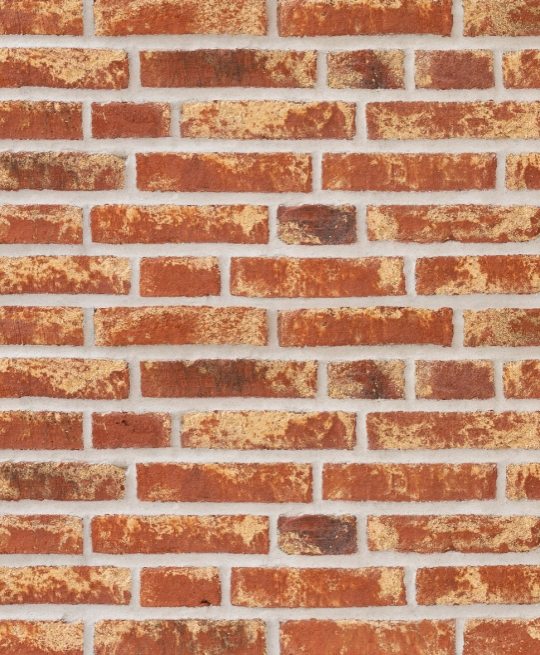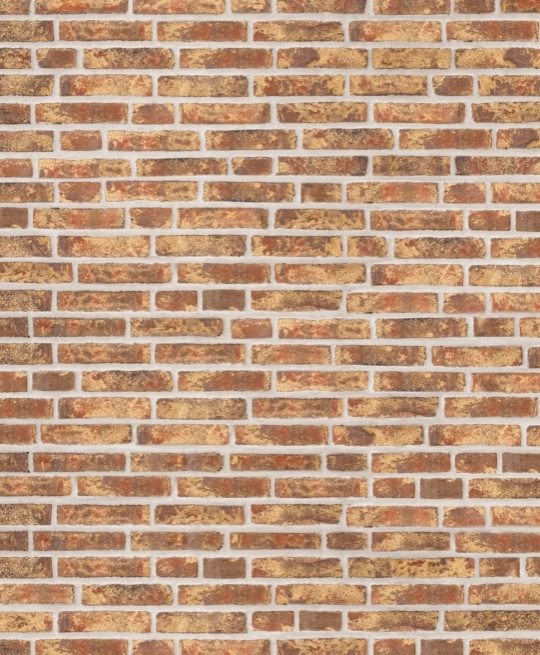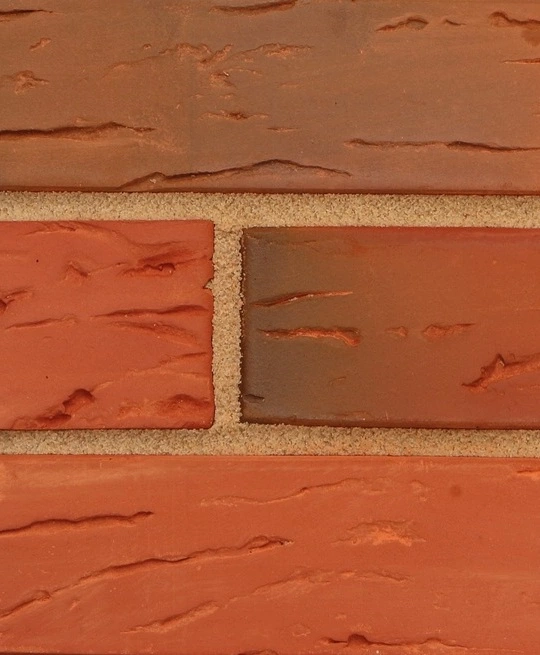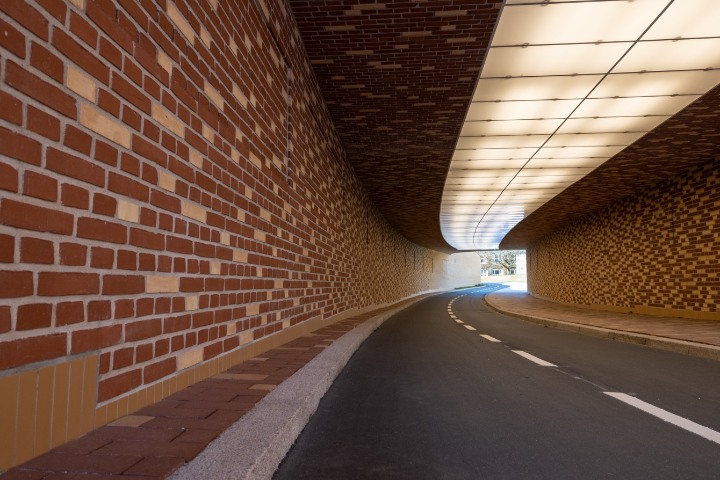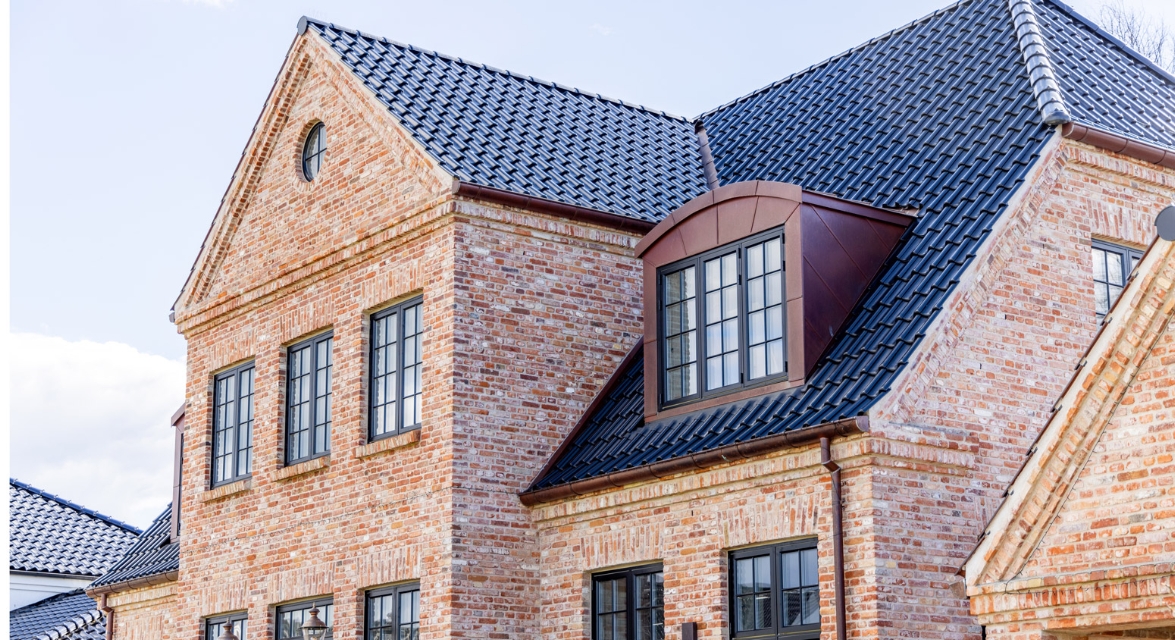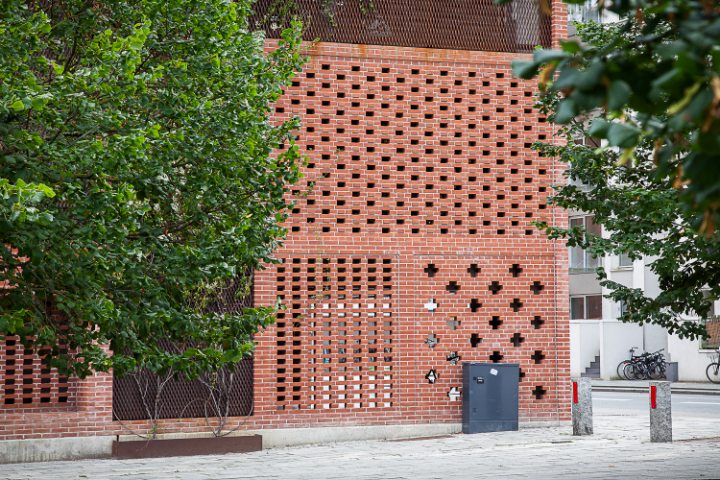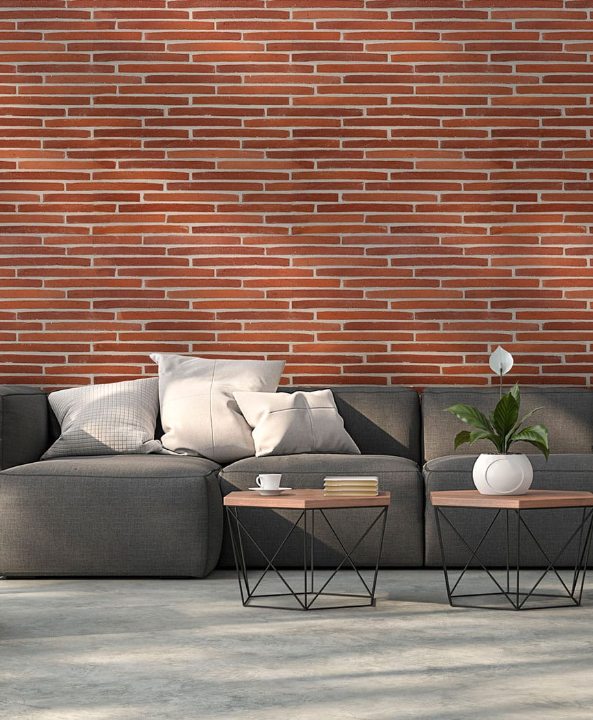
Red bricks are clay facing bricks that fire to red, orange-red or warm multi-toned finishes depending on clay composition and firing method. The characteristic colour comes from iron oxide in the clay, which oxidises during kiln firing. In the UK, red bricks have been the dominant facing brick for centuries — used across traditional housing, conservation areas, extensions and contemporary façades alike.
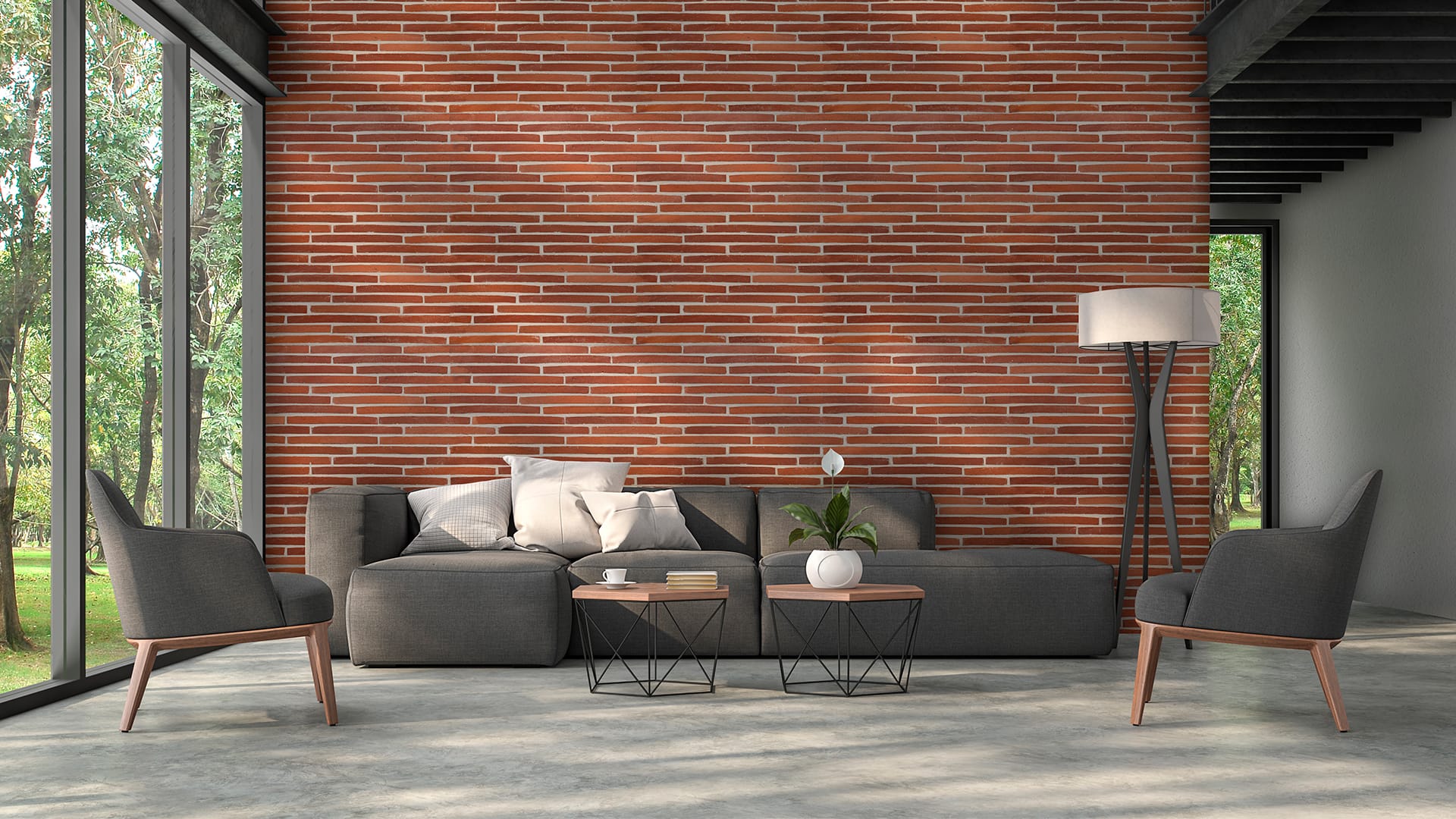
UK Brick supplies red facing bricks in standard UK format (215 × 102.5 × 65 mm) and long linear format (468 × 108 × 38 mm), all produced by Randers Tegl using the waterstruck method. This curated selection covers the full spectrum — from classic warm reds to multi-toned rustic blends — with technical data sheets ready to download and samples available on request. Whether you're matching existing masonry or pushing a modern horizontal aesthetic, the range below gives you proven options with the refined character of waterstruck manufacture.
Colours
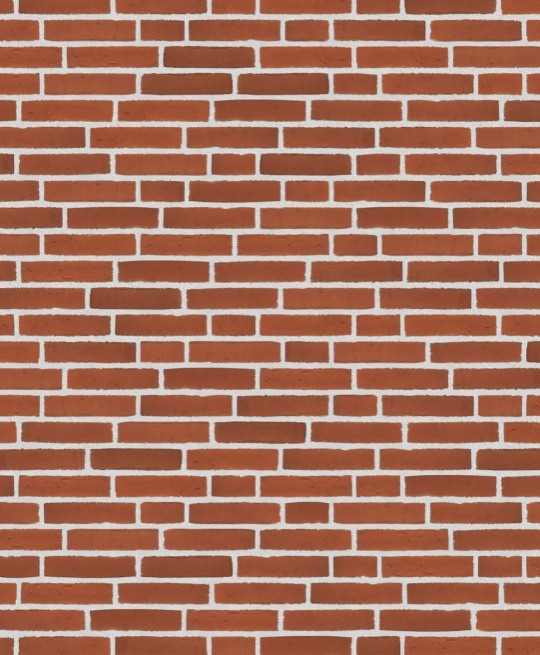
Traditional English Red — Classic, waterstruck
A timeless UK red with gentle tonal movement and a naturally smooth, waterstruck face. Ideal for conservation areas and contextual infill where authenticity matters.
View product
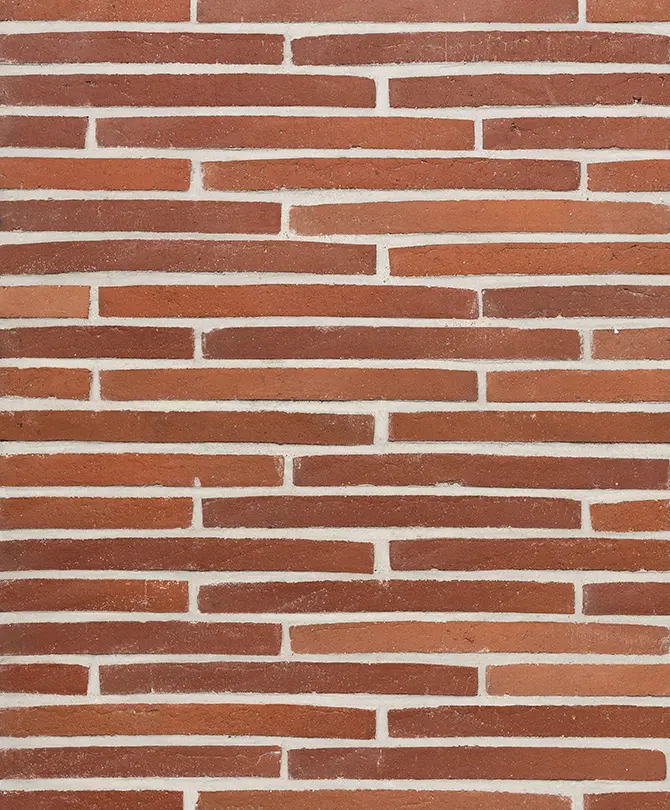
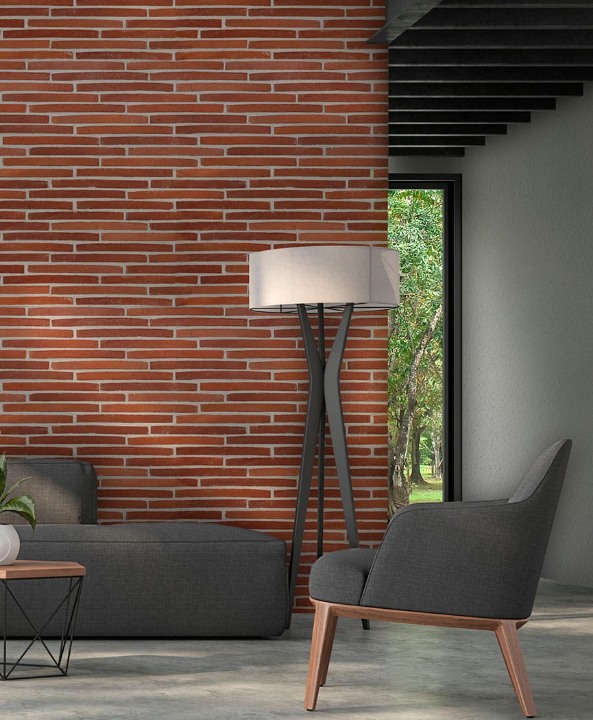
Windsor Red Linear — Long/linear format (468×108×38 mm)
Design-led linear bricks that create crisp horizontal shadow lines and reduced vertical joints. Perfect for entrances, bands and contemporary elevations.
View product
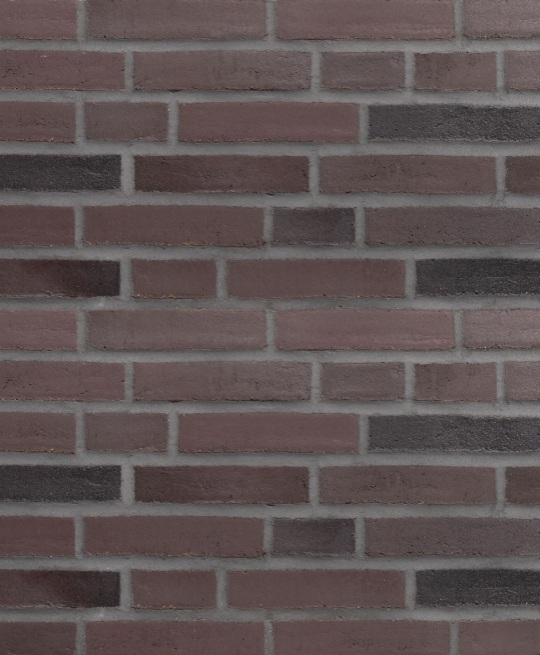
Ashton Red — Versatile UK format
A balanced, dependable red facing brick with a refined waterstruck texture suited to housing, education and mixed-use builds.
View product
Always confirm compressive strength, water absorption, durability rating and exposure class on the product data sheet for the exact unit you specify.
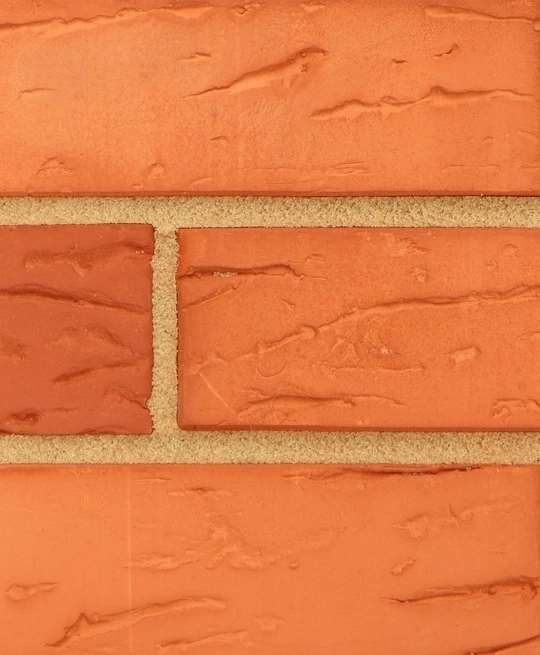
For traditional schemes and projects where surface character matters, UK Brick's rustic red range delivers deeper texture and natural tonal movement. The Bowland Rustic, Mexborough Multi and Chattersley Blend all sit in the warm red spectrum with a more expressive, handcrafted quality — suited to self-build homes, rural developments and contextual schemes where the brick needs to feel authentic from day one.
For contemporary schemes requiring crisp horizontal lines and reduced vertical joints, the Windsor Red Linear (RT164, 468 × 108 × 38 mm) delivers the same warm red tone in the Ultima Linear format. The Windsor Red Multi (RT526) offers a multi-toned red blend in the same linear format for more colour movement across the façade.
Matching existing red brickwork for an extension or repair is one of the most common challenges in UK construction. The key variables are colour tone (warm red vs orange-red vs multi-toned), surface texture (smooth waterstruck vs rough rustic), and format (standard UK metric vs older imperial sizes). UK Brick's team can advise on the closest match from the range and provide samples for on-site comparison before commitment. Contact us with photos of your existing brickwork for a match recommendation.
In the UK, red brick became common because it matched what was readily available and easy to produce locally. Many UK clays contain iron, which typically fires to red/orange tones, and brickmaking scaled quickly as towns expanded. From UK Brick’s view, red bricks remain popular because they’re durable, widely specified, and suit both traditional and modern façades.
Standard red bricks have a refined, consistent waterstruck face with controlled tonal variation. Rustic red bricks are produced with more deliberate surface character — deeper texture, greater colour movement, and a more hand-made quality. UK Brick's Rustic Range (including Bowland Rustic, Mexborough Multi and Chattersley Blend) offers this more expressive finish for projects where authenticity and individuality are priorities over uniformity.
As a typical guide, ≈60 bricks/m² for UK format and ≈42 bricks/m² for long/linear with 10 mm joints. Always check by bond and joint size.
In normal conditions, the base colour is fired into the brick, so it shouldn’t “fade” like paint. What people often notice over time is weathering, efflorescence, or soiling changing the perceived colour. Always view bricks in outdoor light and check a sample panel on site.
In normal conditions, the base colour is fired into the brick, so it shouldn’t “fade” like paint. What people often notice over time is weathering, efflorescence, or soiling changing the perceived colour. Always view bricks in outdoor light and check a sample panel on site.
Browse the three products above, request samples, and download data sheets. If you need project-specific advice on bonds, joints, logistics or matching existing brickwork, contact our team.